Designing for Neurodiversity: How Acoustic Pods Support ADHD and Autistic Employees
Introduction: Embracing Neurodiversity in the Indian Workplace
Modern workplaces are becoming more inclusive by recognizing that employees think, learn, and process information differently. This understanding has led to the growing adoption of neurodiverse office design, an approach that creates environments where people with different cognitive styles can perform at their best.
Neurodiversity includes natural neurological differences such as Attention-Deficit/Hyperactivity Disorder (ADHD), autism spectrum conditions, dyslexia, dyspraxia, and other variations in how the brain processes information. These differences often bring exceptional strengths—including creativity, analytical thinking, innovation, and attention to detail—but traditional open-plan offices can create barriers that affect focus, comfort, and productivity.
One of the most effective ways organizations can support neurodiverse employees is by providing quiet, controlled environments. Acoustic office pods offer practical, flexible solutions that help reduce sensory overload while improving workplace inclusivity — a theme also explored in our post on the benefits of office pods for employee mental health.
This article explores how acoustic pods contribute to better workplace experiences for employees with ADHD and autism while helping businesses build more supportive and productive office environments.
Understanding Neurodiversity and Workplace Challenges
Neurodivergent individuals often possess valuable skills that contribute significantly to innovation and business success.
However, conventional office environments frequently present challenges due to constant background conversations, phone calls, bright lighting, visual distractions, frequent interruptions, unpredictable social interactions, and open-plan layouts — the same core issues covered in our guide on how to reduce office noise in open-plan offices.
Thoughtful office design can reduce these barriers and enable every employee to perform at their highest potential.
ADHD: Focus and Distraction Management
Employees with ADHD often excel in creativity, problem-solving, and innovation.
However, maintaining sustained attention can become difficult in environments filled with continuous interruptions. Common workplace challenges include background conversations, ringing phones, walking traffic, unexpected interruptions, multiple simultaneous conversations, and visual movement across open offices.
These distractions can make deep work significantly more challenging. An ADHD friendly workspace minimizes unnecessary sensory input and provides dedicated spaces where employees can concentrate without interruption — the same distraction-free principle behind our Work Pod line, built for uninterrupted individual focus.
Autism: Sensory Overload and Predictability
Many autistic individuals experience heightened sensitivity to sensory input.
Bright lights, loud sounds, crowded environments, and unpredictable workplace activity may contribute to sensory overload, stress, or fatigue. Challenges may include noise sensitivity, visual overstimulation, strong smells, frequent interruptions, unexpected social interactions, and difficulty concentrating in busy environments.
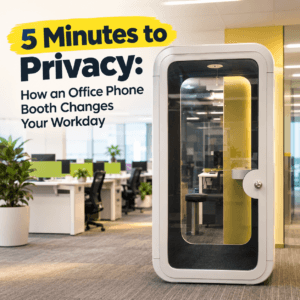
An autism friendly office offers predictable, calm environments where employees have greater control over their surroundings, similar to the enclosed, self-contained privacy provided by a Phone Booth.
The Role of Office Design in Supporting Neurodiverse Employees
Inclusive office design goes beyond accessibility. It creates workspaces that accommodate different ways of thinking, working, and interacting.
Key design principles include:
Sensory Control — Employees should have access to environments with adjustable lighting, reduced noise, and minimal distractions.
Quiet Work Zones — Dedicated spaces allow employees to focus, recharge, or complete demanding tasks without interruptions, similar to the coworking-friendly setup we cover in focus pods for coworking spaces.
Predictability — Clearly defined work areas and consistent environments help reduce workplace stress and uncertainty.
Flexibility — Different employees perform best in different environments. Providing multiple workspace options allows individuals to choose settings that best support their work style, an approach also discussed in our guide on how to choose an office pod for home.
Acoustic Pods: A Cornerstone of Neurodiverse Office Design
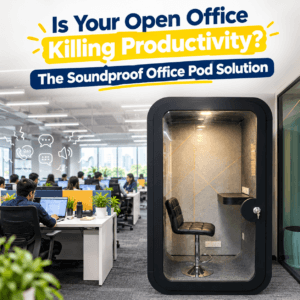
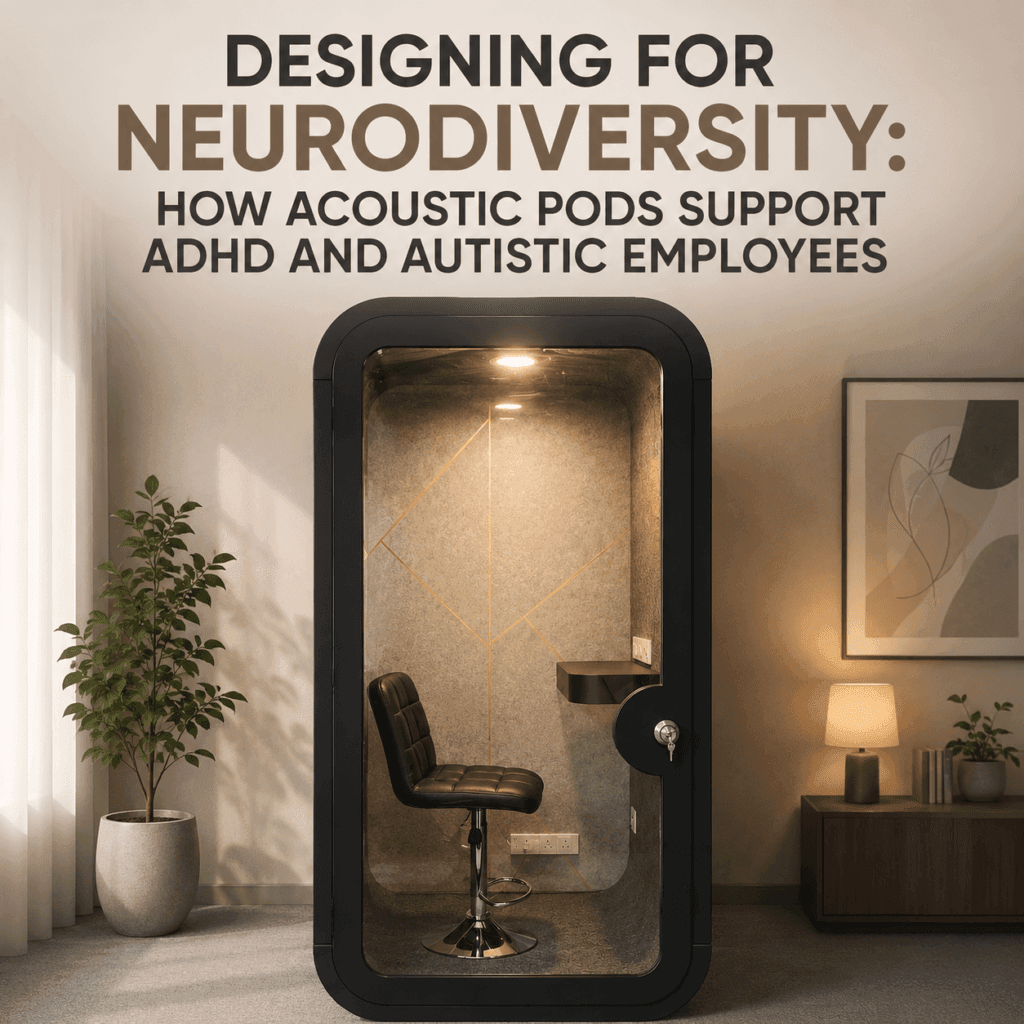
Acoustic office pods are among the most practical tools for creating sensory friendly office environments. Their enclosed, sound-insulated design helps employees manage sensory input while providing privacy, comfort, and control.
Creating Sensory-Friendly Zones
Acoustic pods significantly reduce environmental distractions.
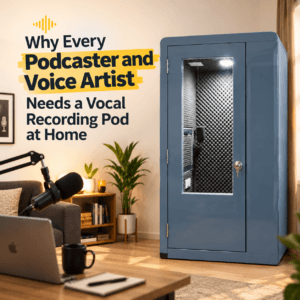
Noise Reduction — Premium acoustic insulation minimizes office conversations, phone calls, meeting noise, equipment sounds, and general workplace activity. For employees with ADHD or autism, this quieter environment supports concentration and reduces cognitive fatigue — the same principle behind the sound isolation engineered into our Vocal Pod range.
Visual Privacy — Unlike open desks, enclosed office pods reduce visual distractions by limiting movement and activity within the user’s field of vision. This helps employees remain focused during complex or high-concentration tasks.
Adjustable Lighting — Many modern office pods feature adjustable lighting systems that allow users to select brightness levels that match their comfort preferences. Reducing glare and harsh lighting can contribute to a more comfortable workspace.
Enhancing Focus and Reducing Distraction
Acoustic pods provide dedicated environments for deep work, virtual meetings, reading, strategic planning, sensitive conversations, and individual problem-solving.
For employees with ADHD, fewer interruptions support sustained concentration and improved task completion — a benefit also documented in our post on acoustic meeting pod benefits for startups, where focused, distraction-free space directly improved team output.
The enclosed environment also creates a psychological boundary that signals focused work time.
Providing a Sense of Control and Predictability
Control over one’s immediate environment plays an important role in employee well-being. Inside an acoustic pod, users can often adjust lighting, ventilation, seating position, privacy, and door closure.
This sense of control helps reduce anxiety and allows employees to regulate their sensory environment according to their individual needs. Knowing that a quiet retreat is always available can make the broader workplace feel more manageable and inclusive — a design consideration we also explore in our Meeting Pod for office India guide.
Benefits for Businesses: Beyond Inclusivity
Supporting neurodiverse employees benefits both individuals and organizations.
Increased Productivity — Providing environments that minimize distractions allows employees to maximize their strengths and perform more effectively.
Improved Employee Well-being — Reduced sensory stress contributes to greater workplace comfort, lower fatigue, and improved overall employee experience.
Better Talent Attraction and Retention — Organizations known for inclusive workplace practices attract a broader range of skilled professionals and strengthen long-term employee retention.
Innovation Through Diverse Perspectives — Neurodiverse teams often contribute unique approaches to creativity, analysis, and problem-solving, helping organizations develop innovative solutions.
Stronger Employer Brand — Inclusive workplace design demonstrates a genuine commitment to employee well-being, diversity, and corporate responsibility, and this same commitment shows up in how customisable office pods for branding can extend a company’s values into its physical workspace.
Kraft-Obench: Crafting Inclusive Workspaces for All
At Kraft-Obench, we believe every employee deserves a workspace where they can focus, collaborate, and thrive.
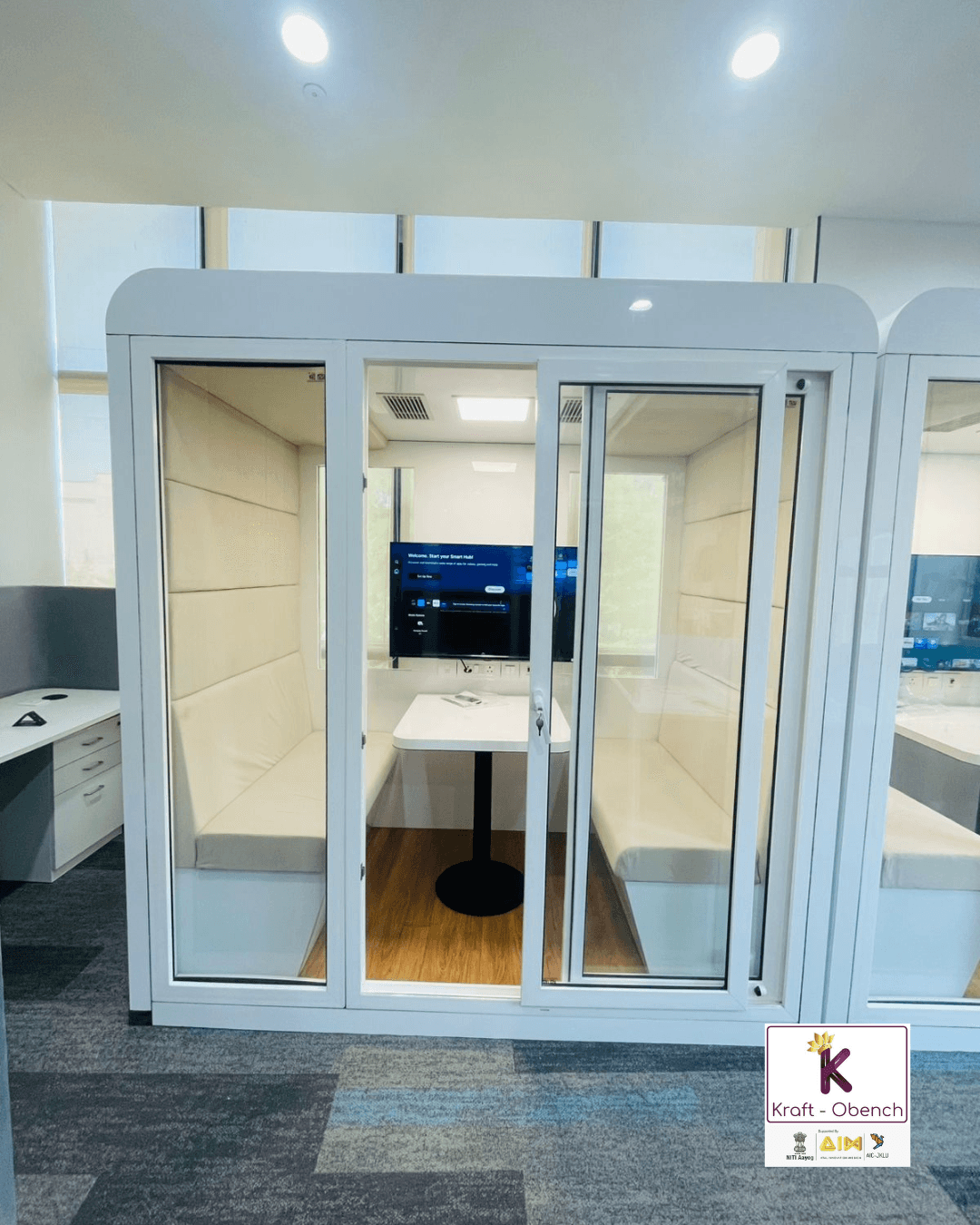
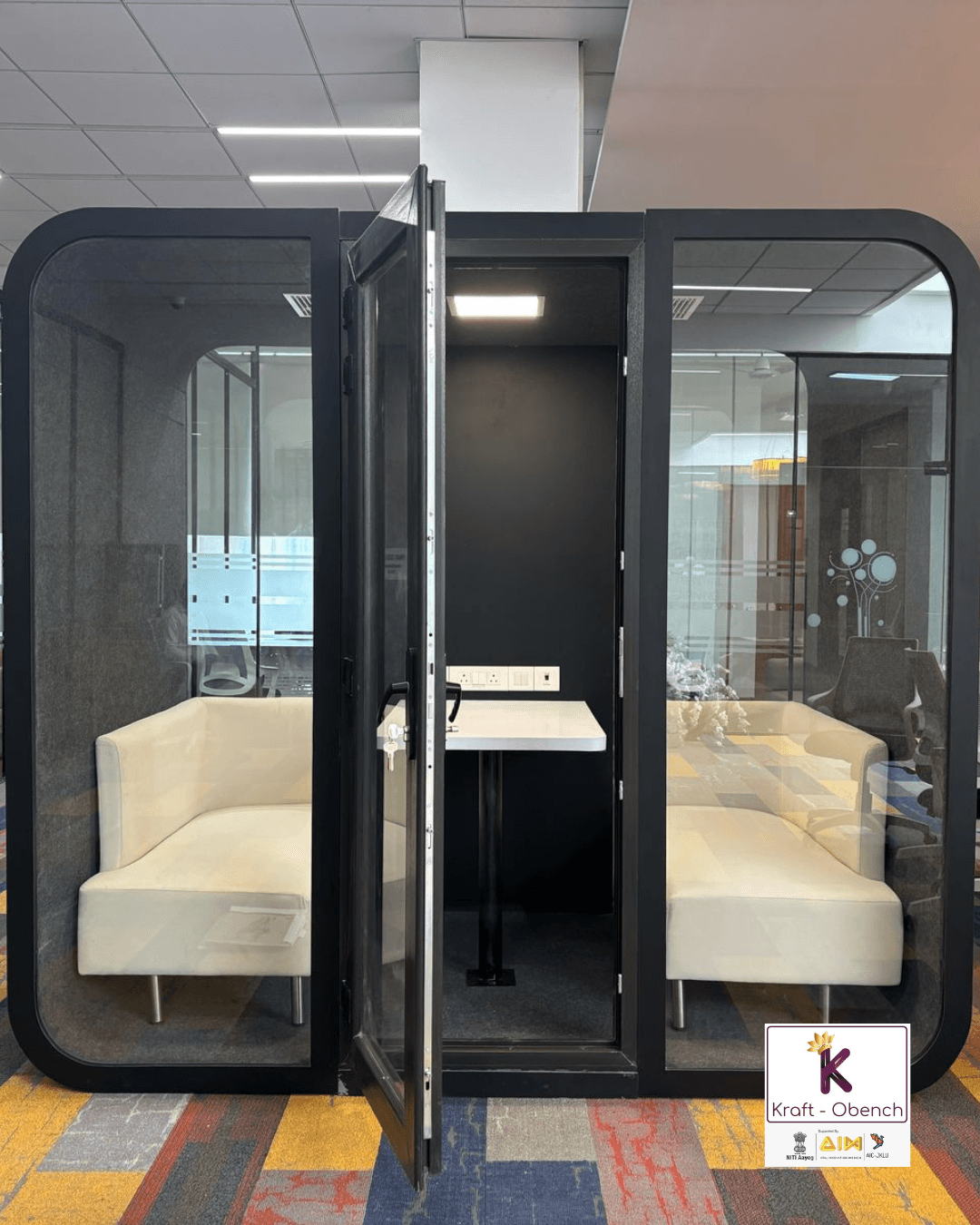
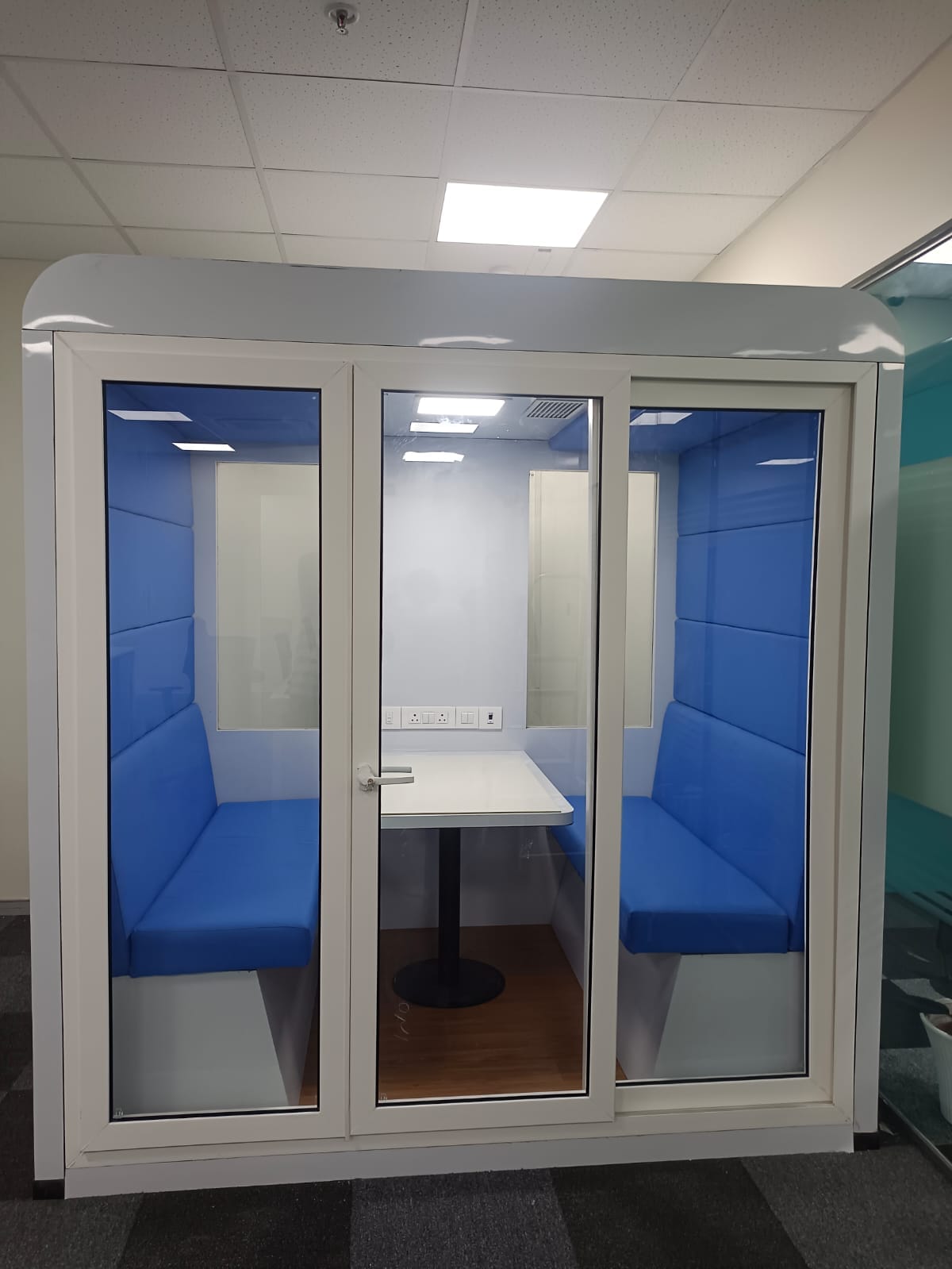
Our Nano Pods, Meeting Pods, and Vocal Booths are engineered with superior acoustic performance to create calm, distraction-free environments that support diverse working styles.
Our modular acoustic solutions provide exceptional sound insulation, comfortable interiors, modern aesthetics, flexible installation, private work environments, and customizable configurations — the same durable, long-lasting build quality covered in our office pod maintenance tips guide, ensuring these inclusive spaces remain functional for years.
Whether you’re creating focus areas, wellness spaces, quiet rooms, or private meeting environments, Kraft-Obench helps organizations build workplaces that are more inclusive, adaptable, and employee-centered. You can see how organizations across India have already implemented these spaces on our Clients page, including installations in cities like Bangalore and Gurgaon.
By investing in thoughtful workspace design, businesses can support productivity while creating environments where every individual feels valued.
FAQs About Neurodiversity and Acoustic Pods
Q1. What is neurodiversity in the workplace?
Neurodiversity recognizes that differences in how people think, learn, and process information—including ADHD, autism, dyslexia, and similar conditions—are natural variations of the human brain that contribute valuable perspectives and skills.
Q2. Why can open-plan offices be challenging for neurodiverse employees?
Open offices often contain constant noise, visual movement, interruptions, and unpredictable interactions that may increase distraction or sensory overload for some employees.
Q3. How do acoustic pods support employees with ADHD?
Acoustic pods provide quiet, private environments with fewer distractions, helping employees focus on demanding tasks, meetings, and deep work.
Q4. Are acoustic pods beneficial for autistic employees?
Yes. Acoustic pods offer calm, low-stimulation spaces where employees can better manage sensory input, improve concentration, and work in a more predictable environment.
Q5. Can businesses create neurodiverse workplaces without major renovations?
Absolutely. Installing modular acoustic pods is an effective way to introduce quiet, sensory-friendly spaces without extensive office reconstruction, making workplace inclusivity more accessible and cost-effective — as shown in our office pod installation guide for fast, low-disruption setup.
Conclusion: Building a Workplace Where Every Mind Thrives
Creating truly inclusive workplaces means recognizing that employees have different environmental needs and work styles.
By incorporating Neurodiverse Office Design principles alongside thoughtfully designed acoustic pods, organizations can reduce workplace distractions, improve employee comfort, and create environments where people with ADHD, autism, and other neurodivergent conditions can contribute their best work.
Supporting neurodiversity is more than an accessibility initiative—it is an investment in innovation, employee well-being, collaboration, and long-term business success.
As workplaces continue to evolve, acoustic office pods will play an increasingly important role in helping every employee thrive.
Call to Action
Build a workplace designed for every mind.
Contact Kraft-Obench today to discover how our premium acoustic office pods can help you create quieter, more inclusive, and productivity-focused workspaces tailored to the needs of your employees.
Explore our range of modular acoustic solutions and take the next step toward designing a truly inclusive workplace.