Why Maintenance Matters for Your Office Pod
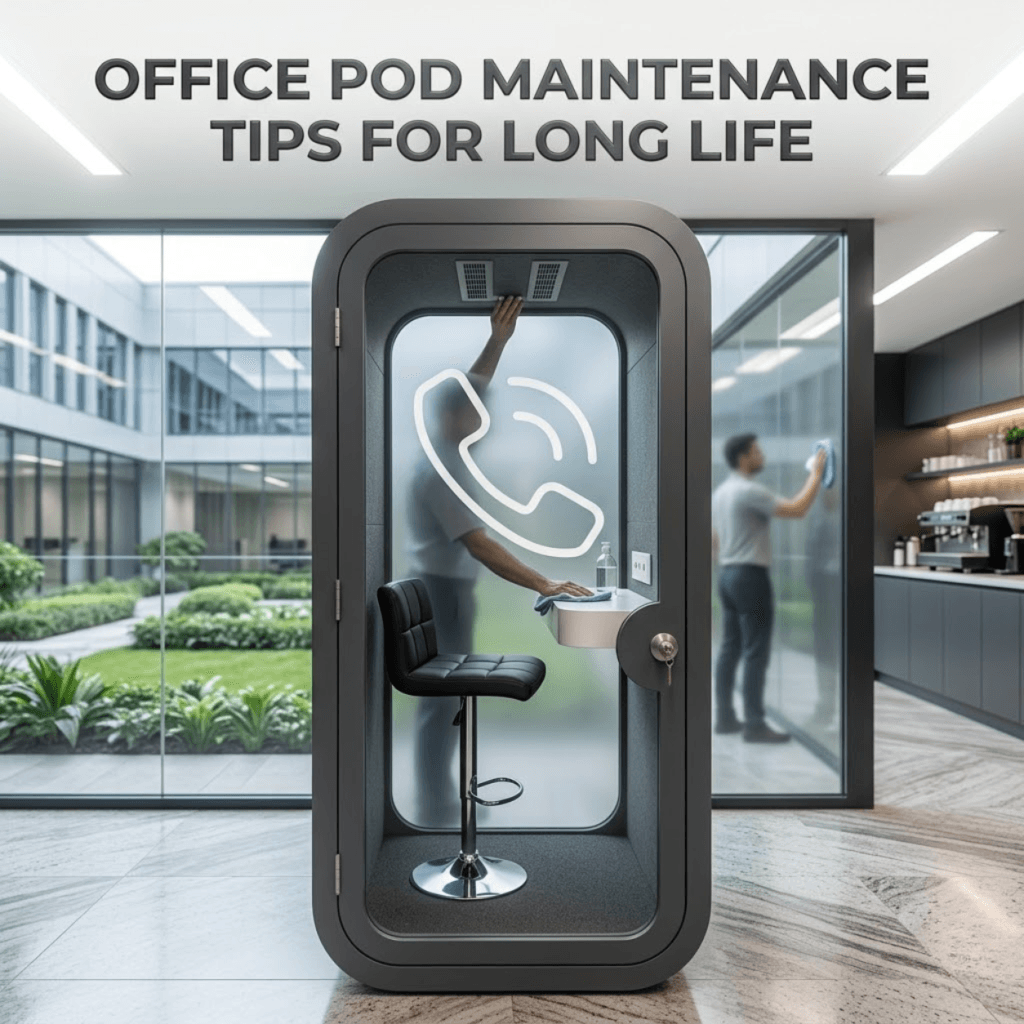
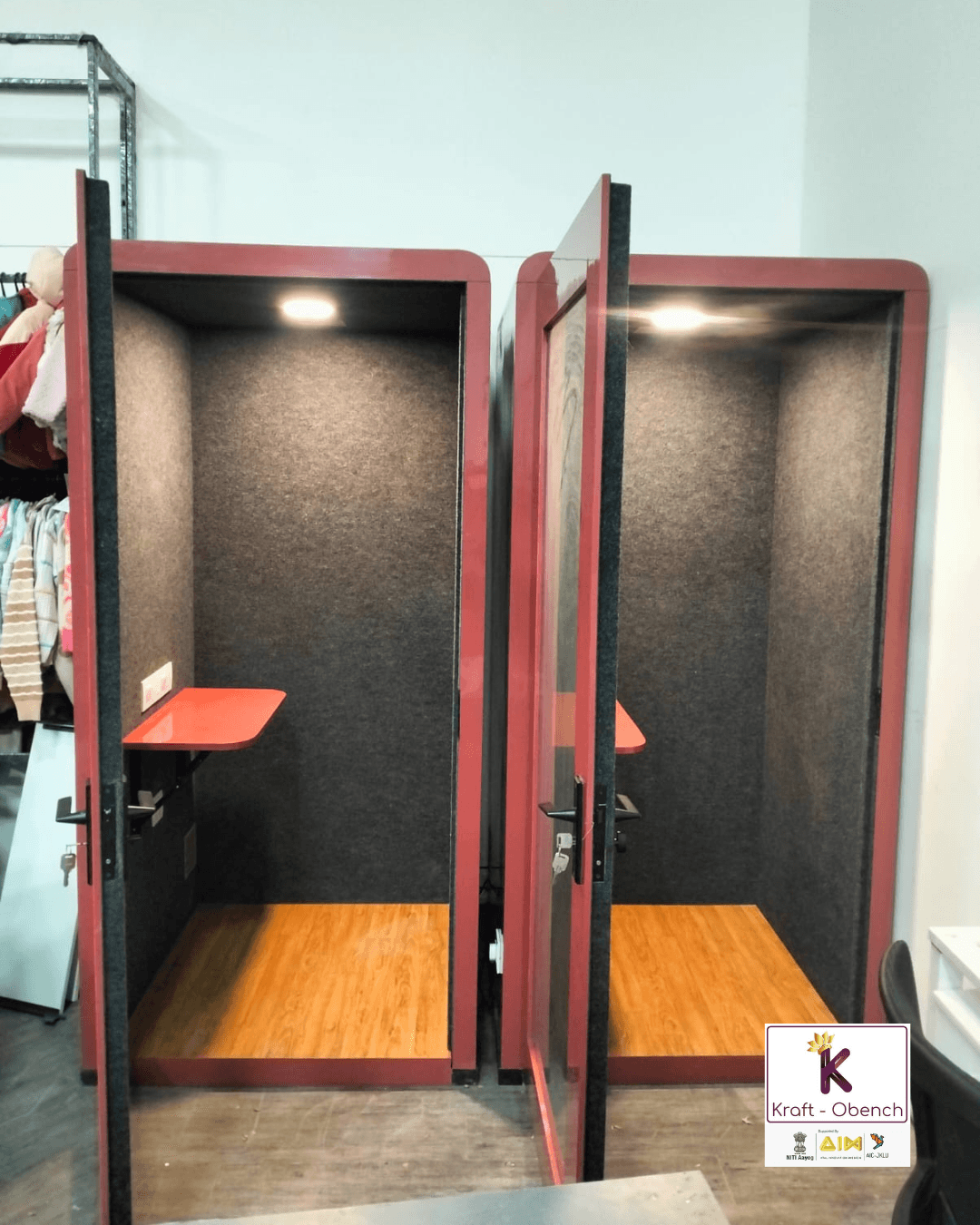
An office pod is one of the most valuable workspace investments your organisation can make. Whether you have installed a single-person phone booth or a multi-person meeting pod, regular upkeep ensures years of quiet, productive, and comfortable use. Like any precision-engineered product, acoustic pods are designed to perform at their best when maintained properly.
At Kraft-Obench, India’s leading acoustic pod manufacturer, we have serviced thousands of pods across the country. The difference between a pod that lasts five years and one that lasts fifteen almost always comes down to maintenance discipline. Here are 11 actionable maintenance tips every pod owner in India should follow.
1. Clean Acoustic Panels Weekly
Dust accumulates quickly on acoustic foam and fabric panels, especially in Indian office environments where open windows, foot traffic, and HVAC systems circulate significant amounts of airborne particles. Use a soft brush or low-suction vacuum cleaner weekly to remove surface dust without damaging the acoustic material.
Avoid wet cloths on exposed acoustic foam. Moisture degrades the cellular structure of sound-absorbing foam over time, causing it to crumble and lose its noise reduction coefficient (NRC) rating. For fabric-covered panels, spot cleaning with a dry microfibre cloth is entirely safe and sufficient for day-to-day upkeep.
If you own a Nano Pod, the interior fabric panels are designed for easy access cleaning. The fabric is stretched over a removable frame, allowing deep cleaning once every quarter without specialist tools or technical knowledge.
2. Inspect Door Seals Monthly
The magnetic or rubber door seals on your acoustic pod are its first line of acoustic defence. These seals create the airtight boundary that prevents sound from leaking in or out of the pod. Inspect every seal for gaps, cracks, flattening, or peeling every month.
Worn seals allow noise leakage that can reduce the pod’s STC rating by up to 30 percent. A pod with an STC 40 rating can effectively drop to STC 28 performance when door seals are compromised. Seal replacement is a low-cost, high-impact maintenance task that takes under 30 minutes but protects the acoustic integrity of your entire investment.
This monthly check applies equally to all pod types from the compact Phone Booth to the larger Meeting Pod. Replacement seal kits are available directly from our service team.
3. Check Ventilation Filters Every 30 Days
All Kraft-Obench pods come with built-in HVAC or passive ventilation systems. These systems circulate fresh air through filters that capture dust, allergens, and airborne particles before they enter the pod interior. Blocked filters raise CO2 levels and humidity inside the pod, reducing both comfort and air quality.
Clean or replace filters every 30 days for pods in typical office environments. In dusty Indian industrial or warehouse environments, check filters fortnightly. A visible grey or black coating on the filter mesh, reduced airflow felt inside the pod, or a slight musty smell are the three clear indicators that the filter needs immediate attention.
This is especially critical for the Work Pod when deployed in manufacturing, logistics, or construction-adjacent environments where airborne particulates are significantly higher than in standard offices.
4. Tighten All Bolts and Connectors Quarterly
Modular pod panels are bolted and locked together with precision connectors. In environments where nearby machinery, HVAC systems, or heavy foot traffic generate vibrations, these connectors can gradually loosen over time. Loose connections create micro-gaps in the acoustic envelope, reducing the pod’s overall sound isolation performance.
Conduct a quarterly bolt-check using a standard torque wrench. Work systematically from the base frame upward to the roof panels. This is particularly important for pods installed on factory floors or near mechanical plant rooms. Our Vocal Pod has especially precise panel-to-panel tolerances that should be verified quarterly to maintain its studio-grade acoustic performance.
If you are not comfortable performing this check yourself, our annual professional service includes a full mechanical inspection.
5. Test Lighting and Power Points Monthly
LED lighting strips and USB or power sockets inside pods face daily wear from repeated use. Test all electrical points monthly to identify any failing components before they cause problems. Replace failing LEDs promptly since overheating from a poorly performing LED driver can damage surrounding panels or create fire risk over time.
For smart pods with app-based lighting and climate controls, check that all sensors and switches respond correctly during your monthly test. If you have used our 3D Configurator to specify a particular electrical configuration, compare your current setup against the original specification to ensure nothing has deteriorated.
6. Sanitise Interior Surfaces After Use
High-touch surfaces desks, chairs, door handles, and power socket surrounds should be wiped with an isopropyl alcohol solution after use in shared pods. This applies especially in coworking environments, corporate offices, and anywhere multiple users access the same pod during a single day.
Regular sanitisation extends the life of surface materials and prevents the build-up of grime that can permanently stain laminates or fabric. It also meets hygiene standards increasingly required by corporate facilities teams and health and safety auditors. Pods on our Rental programme receive professional deep cleaning as part of the monthly maintenance visit included in the rental agreement.
7. Avoid Overloading Power Circuits
Most office pods are rated for standard office electrical loads: one or two laptops, a monitor, a phone charger, and LED lighting. This total load typically falls between 400W and 600W continuous draw. Plugging in high-draw devices such as space heaters, industrial fans, or multiple monitors without checking the pod’s electrical specification can trip circuit breakers or, in worst cases, damage internal wiring.
This is an important consideration for pods installed in cities across India from our Delhi installations in high-density office towers to sites in Mumbai where older building electrical infrastructure may already be under load.
8. Monitor Humidity Levels Inside
Excess humidity warps acoustic panels, promotes mould growth in foam layers, and can corrode electrical connectors over time. This is a particularly relevant maintenance consideration in coastal cities. Our customers in Bangalore during monsoon months and in Kochi year-round need to actively manage interior pod humidity.
Keep relative humidity below 60 percent inside the pod. A small consumer-grade dehumidifier placed inside the pod during high-humidity months, or a packet of silica gel refreshed monthly, provides effective moisture control at very low cost. All Kraft-Obench pods are manufactured with moisture-resistant acoustic panels, but active humidity management significantly extends panel life.
9. Re-apply Edge Sealant on Glass Panels
Double-glazed glass inserts develop micro-gaps at panel edges after two to three years of thermal cycling expansion and contraction caused by India’s significant temperature differences between seasons and between indoor and outdoor environments. These micro-gaps allow acoustic energy to bypass the glass and enter the pod.
Apply a thin bead of acoustic-grade sealant along all glass panel edges annually. This is a 20-minute job that restores full acoustic performance. It is particularly relevant for high-use Meeting Pods and Phone Booths in corporate offices where the pods are in continuous use throughout the working day, accelerating thermal stress on glass seals.
10. Update Firmware on Smart Pods
Kraft-Obench smart pods with app-based lighting, climate controls, and occupancy sensors receive periodic firmware updates that improve performance, fix bugs, and add new features. Enable automatic updates where available, or manually check our customer portal quarterly to ensure your pod is running the latest firmware version.
Outdated firmware can cause smart lock failures, incorrect occupancy readings, or suboptimal ventilation behaviour. Our clients in Pune and Hyderabad with large smart pod deployments have found that keeping firmware current reduces service call frequency by approximately 40 percent.
11. Schedule an Annual Professional Service
Once a year, book a Kraft-Obench technician to conduct a comprehensive pod inspection. Our professional service covers door seal replacement, full electrical testing, ventilation system cleaning, bolt torque verification, acoustic attenuation measurement, and a written report confirming your pod’s current STC compliance.
This annual service is included in the price for rental pods. For purchased pods, it is available as a standalone service booking. We cover all major cities including Gurgaon, Noida, and Chandigarh. Book via our Contact page.
How AI Is Changing Office Pod Maintenance
Artificial intelligence is beginning to reshape how smart office pods self-monitor and self-report maintenance requirements. Kraft-Obench’s next-generation smart pods are being developed with AI-powered sensor arrays that continuously track ventilation performance, door seal pressure, CO2 levels, and occupancy patterns. The system flags maintenance tasks before they become problems rather than waiting for user-reported issues.
Predictive AI maintenance alerts sent to facilities managers via mobile app represent a significant operational improvement for corporate clients managing large pod fleets across multiple offices. This proactive approach reduces unplanned downtime and extends pod lifespans significantly beyond what manual maintenance schedules alone can achieve.
Frequently Asked Questions
Q1: How often should I professionally service my office pod? Once a year is the recommended frequency for professional servicing. High-use pods in corporate environments used by 10 or more people daily may benefit from a six-monthly check.
Q2: Can I clean acoustic foam panels with water? No. Water degrades acoustic foam and can cause mould. Use a dry brush or low-suction vacuum only. For fabric-covered panels, a dry microfibre cloth is safe for spot cleaning.
Q3: What happens if door seals are not replaced on time? Worn door seals reduce the pod’s STC rating significantly sometimes by 8 to 12 dB which defeats the purpose of having an acoustic pod. Seal replacement is a low-cost, high-impact maintenance task.
Q4: Do Kraft-Obench pods come with a warranty? Yes. All Kraft-Obench pods come with a standard warranty covering manufacturing defects. Contact us at our Contact page for warranty terms specific to your model.
Q5: Is maintenance included in the rental price? For pods on rental from our Rentals page, maintenance and annual servicing are included in the rental agreement.
Q6: How do I know if my ventilation filter needs replacing? A visible grey or black coating on the filter mesh, reduced airflow inside the pod, or a slight musty smell are the three clear indicators.
Q7: Can I move my pod to a new office location? Yes. All Kraft-Obench pods are fully relocatable. Our installation teams in cities like Chennai and Ahmedabad handle pod relocations regularly.
Maximise your pod’s lifespan and acoustic performance. Explore Kraft-Obench office pods engineered for durability and supported by expert maintenance services across India.