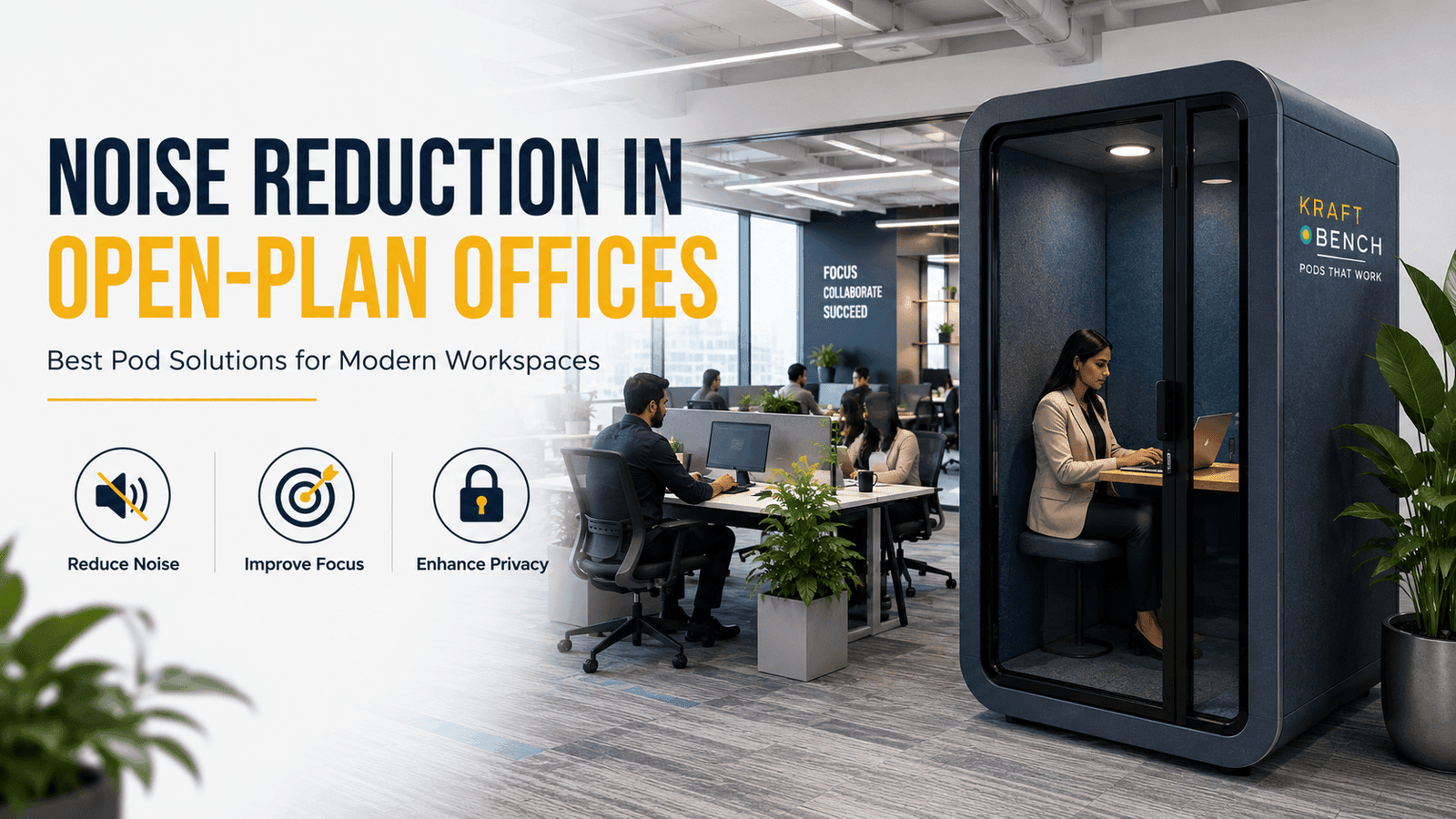
Noise Reduction in Open-Plan Offices: A Practical Guide for Indian Workplaces
Open-plan offices were meant to encourage collaboration instead, most facility managers hear the same complaint from employees: it’s too loud to concentrate. The problem isn’t the open layout itself; it’s the absence of any private zones within it. Here’s a practical breakdown of what actually reduces noise in an open office, and where pods fit into a broader noise-reduction strategy.
Why Open-Plan Offices Get Loud
- No sound zoning. Calls, casual conversation, and focused work all happen in the same undivided space, with nothing to separate them.
- Hard surfaces amplify sound. Glass partitions, hard flooring, and minimal soft furnishing common in modern office design reflect rather than absorb sound.
- Video calls have multiplied. Hybrid work means more employees on video calls at their desks than ever before, each one contributing to the ambient noise floor.
- No dedicated private space forces workarounds. Without pods or private rooms, employees end up taking calls in stairwells, cafeterias, or simply louder at their desks none of which solve the underlying problem.
Approaches to Reducing Open-Plan Office Noise
Approach | Effectiveness | Cost / Disruption |
Soundproof pods (phone booths, meeting pods) | High — directly removes the noisiest activities (calls, meetings) from the open floor | Low disruption, moderate cost, fast installation |
Soft furnishing and sound-absorbing panels on walls/ceiling | Moderate — reduces reflection and general ambient noise level | Low disruption, moderate cost |
Sound masking systems | Moderate — masks distracting noise rather than removing its source | Low disruption, ongoing operational cost |
Physical layout redesign / zoning | High, but structural | Higher disruption and cost, longer timeline |
Permanent room construction | High | Highest disruption and cost, longest timeline |
Soundproof pods consistently offer the best effectiveness-to-disruption ratio for most Indian offices, since they address the noisiest specific activities (calls and meetings) directly, without a full office redesign.
A Practical Noise-Reduction Plan for Most Offices
- Identify your loudest, most frequent noise sources first usually calls and small meetings, not general ambient chatter.
- Add phone booths near desk clusters with high call volume, rather than distributing them evenly without considering actual usage patterns.
- Add one or two meeting pods for small group discussions that currently happen at desks or in hallways.
- Layer in soft furnishing or sound-absorbing panelling in remaining open areas to reduce general reflection, especially in glass-and-hard-floor offices.
- Reassess after 60–90 days. Pod usage data (if bookable) or simple observation will tell you whether you need more units, or whether placement needs adjusting.
Where to Place Pods for Maximum Impact
- Near high call-volume desk clusters (sales, client-facing, customer support teams) rather than spread evenly across the floor
- Away from HVAC vents and high-foot-traffic walkways, which can undermine both comfort and sound performance
- Visible enough to be used, not hidden in unused corners — pod utilisation drops significantly when placement is inconvenient
Kraft-Obench for Office Noise Reduction
Kraft-Obench works with facility teams to plan pod placement and mix based on actual office noise patterns, not just a generic ratio. Explore our Phone Booth and Meeting Pod ranges, or read our Office Phone Booth Buying Guide for detailed specification information.
Frequently Asked Questions
What’s the fastest way to reduce noise in an open-plan office? Adding soundproof pods near your highest call-volume areas is typically the fastest, least disruptive way to reduce noise, since it directly removes the loudest recurring activities from the open floor without requiring construction.
Do sound-absorbing panels alone solve open-plan office noise? Sound-absorbing panels reduce general sound reflection and ambient noise level, but they don’t remove the underlying source of the loudest noise calls and meetings so they work best combined with dedicated pods rather than as a standalone solution.
How many pods does an open-plan office typically need? This depends on team composition and call volume, but a common starting point is roughly one phone booth per 15–25 employees, adjusted upward for client-facing or sales-heavy teams.
Is sound masking a good alternative to pods? Sound masking can reduce the perceived distraction of background noise, but it doesn’t provide the genuine privacy needed for confidential calls or meetings, making it a complement to pods rather than a replacement for them.
Ready to Fix Your Office Noise Problem?
Talk to our team for a placement and pod-mix recommendation based on your floor plan.

Our Exclusive Products
Because we have all that you need. See for yourself!
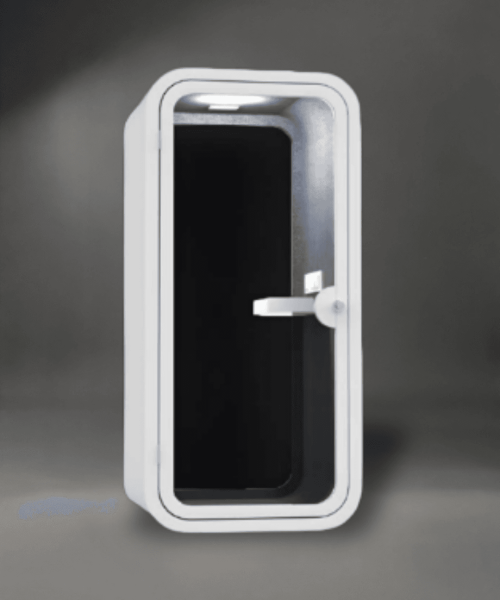
NANO Series
Your compact sanctuary for focused work or calls. Designed for small spaces.
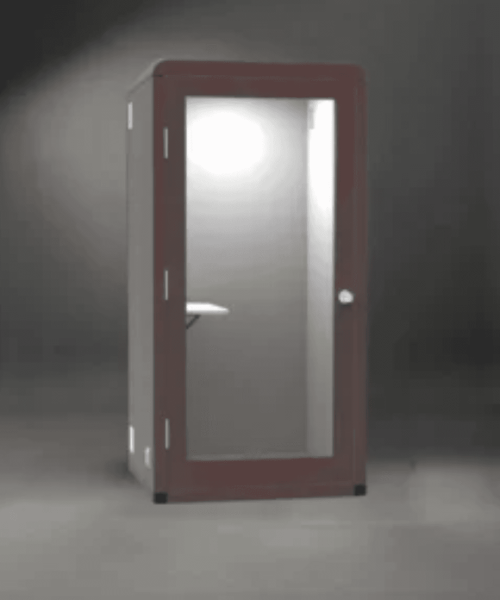
WEE Series
A tranquil environment in which to work, make calls, or simply sit and relax.
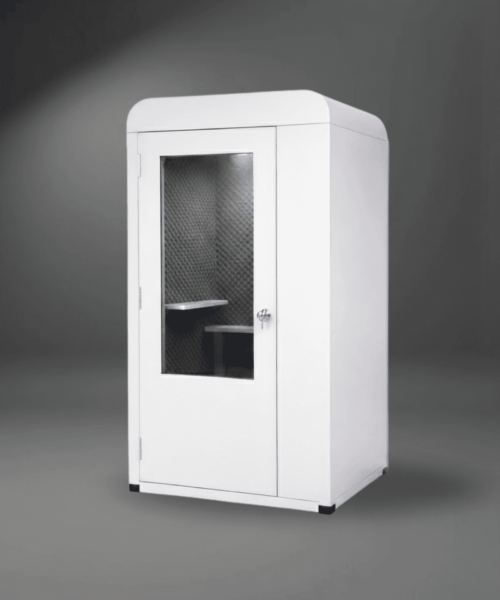
VOCAL Series
A private, efficient space for artists who love to record standing up.
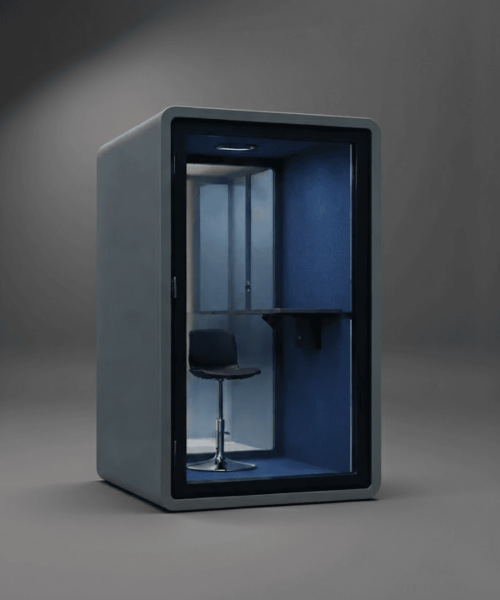
NEXO Series
NEXO Series ideal for private, comfortable, and efficient workspaces.
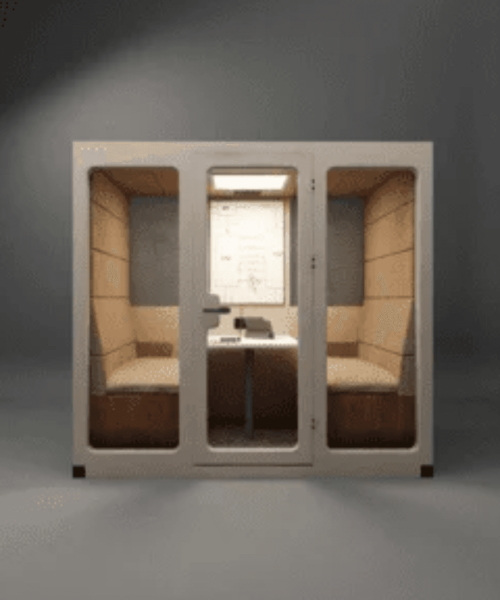
MEET Series
A room inside a room. Ideal for private phone and video calls, as well as meetings for four.