Before vs After Installing Workspace Pods: How It Transforms Your Office
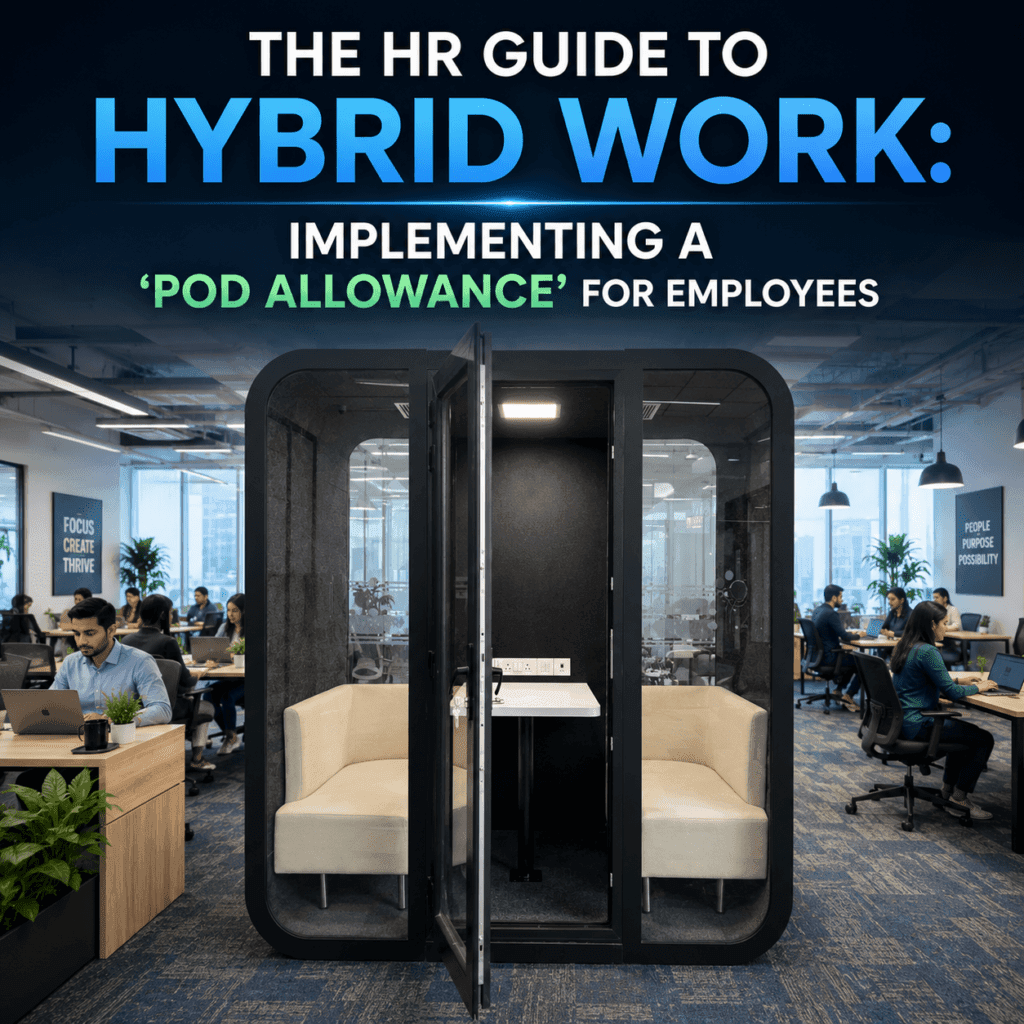
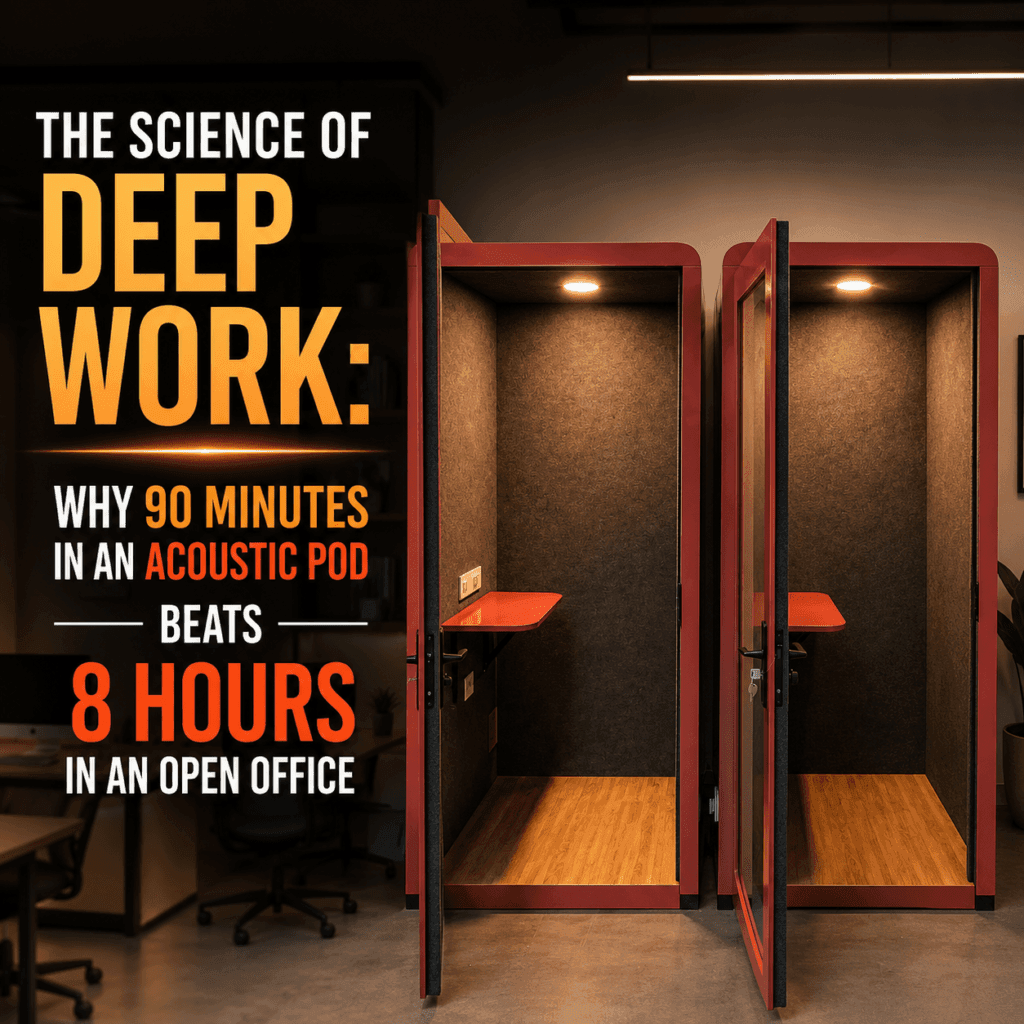
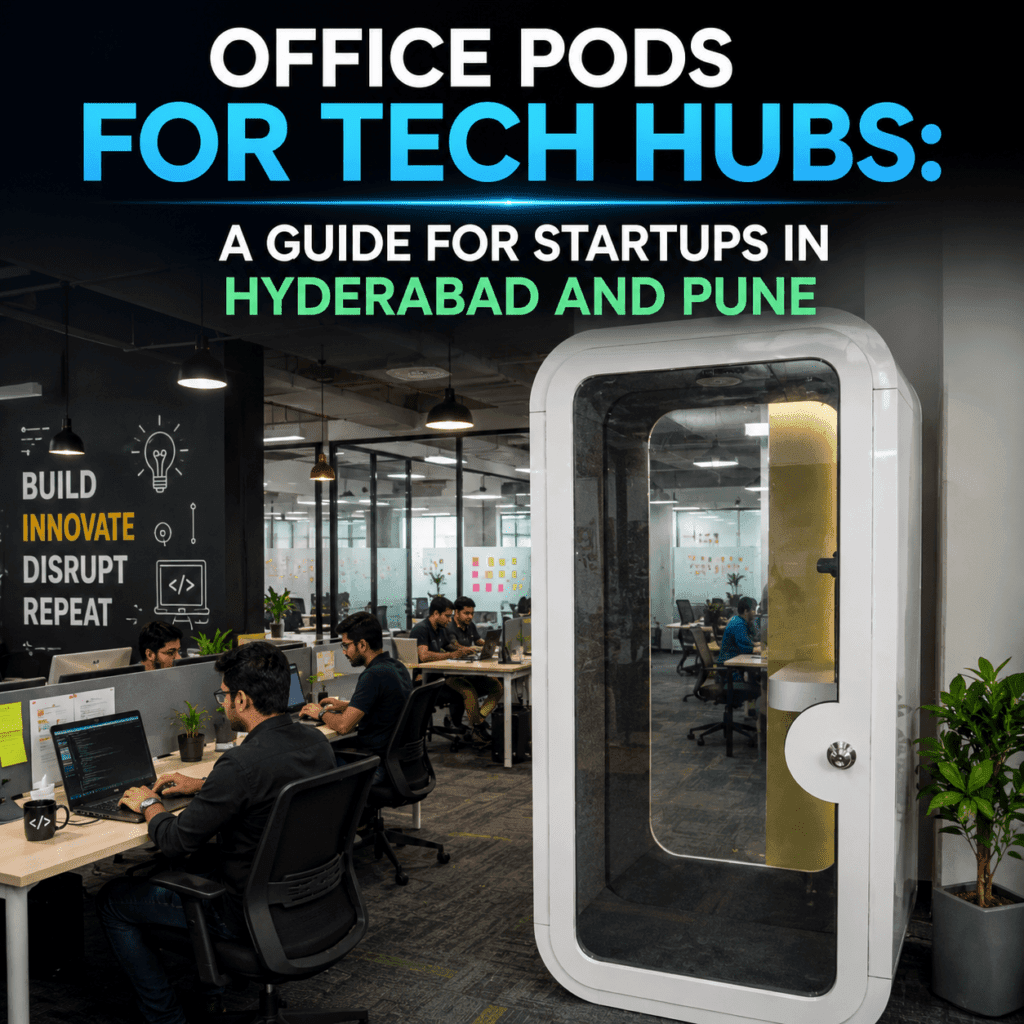
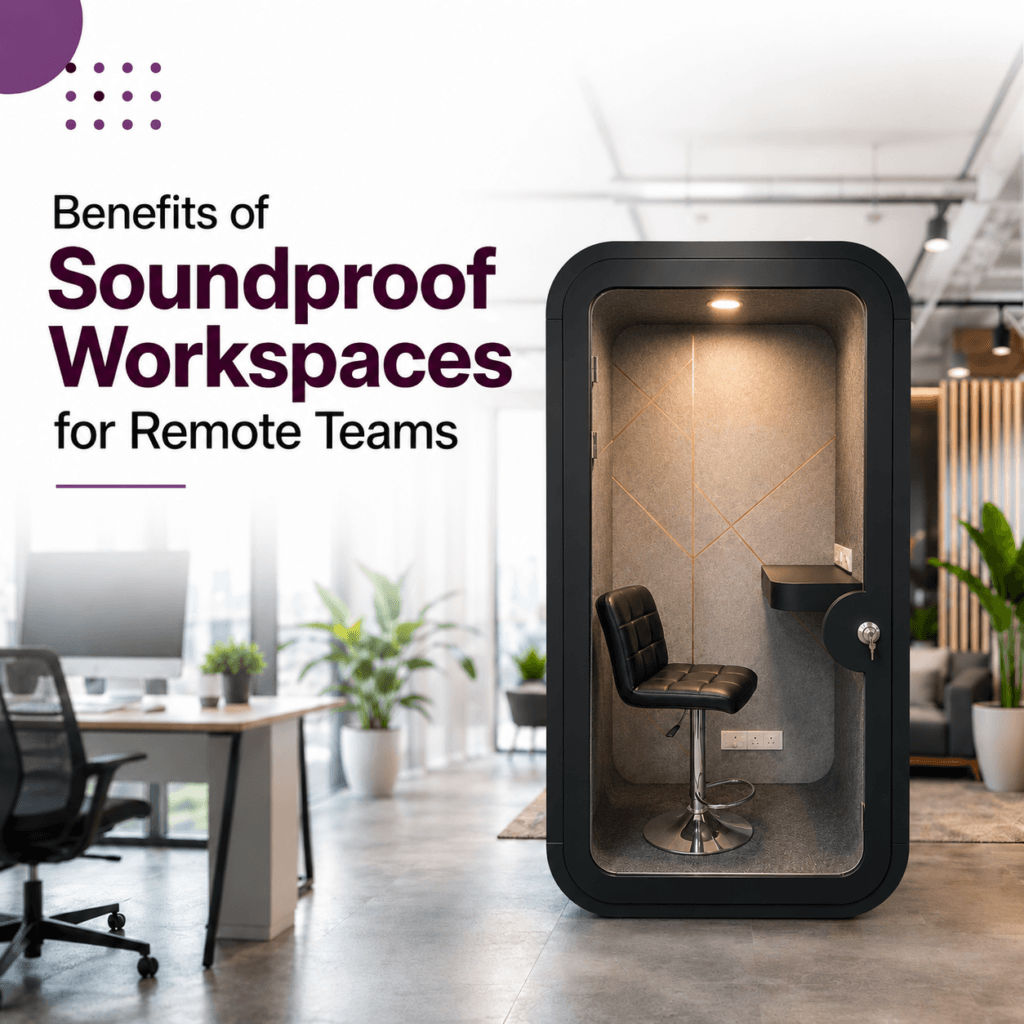
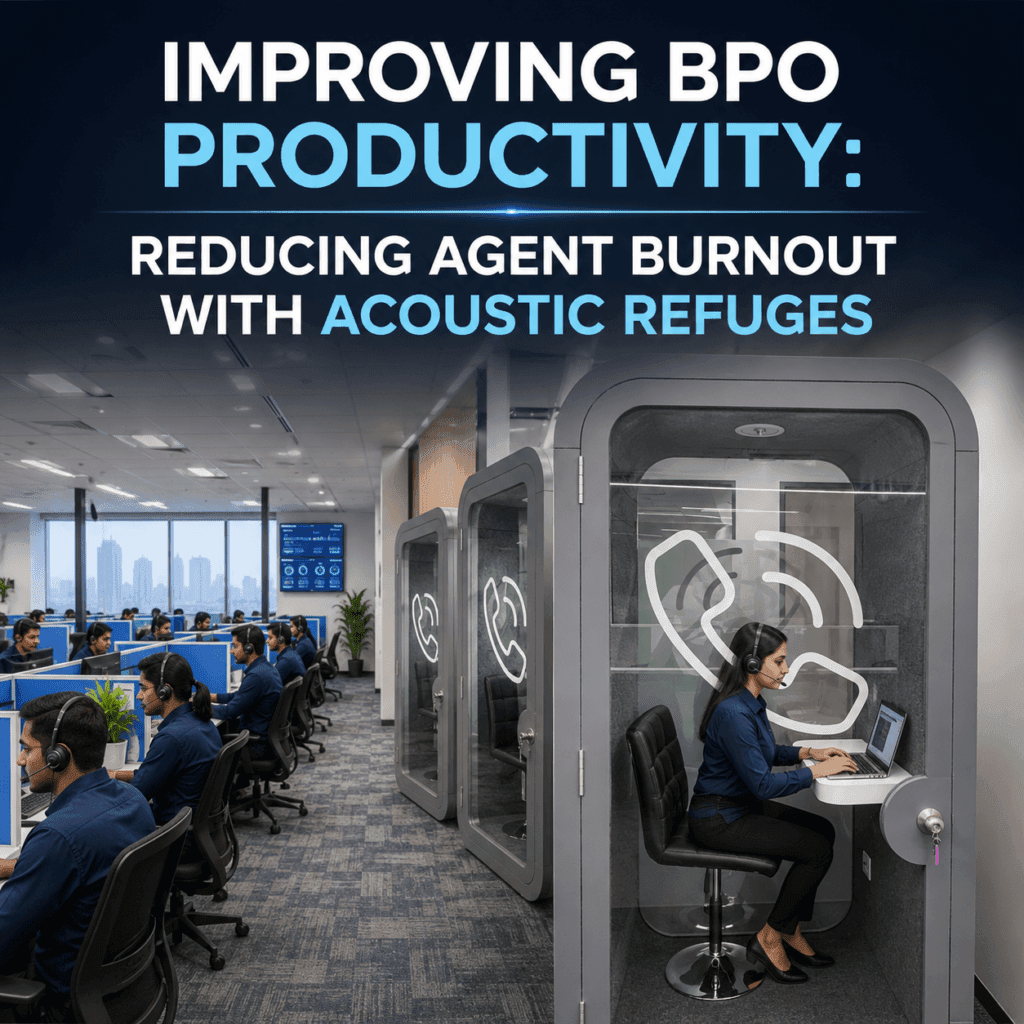
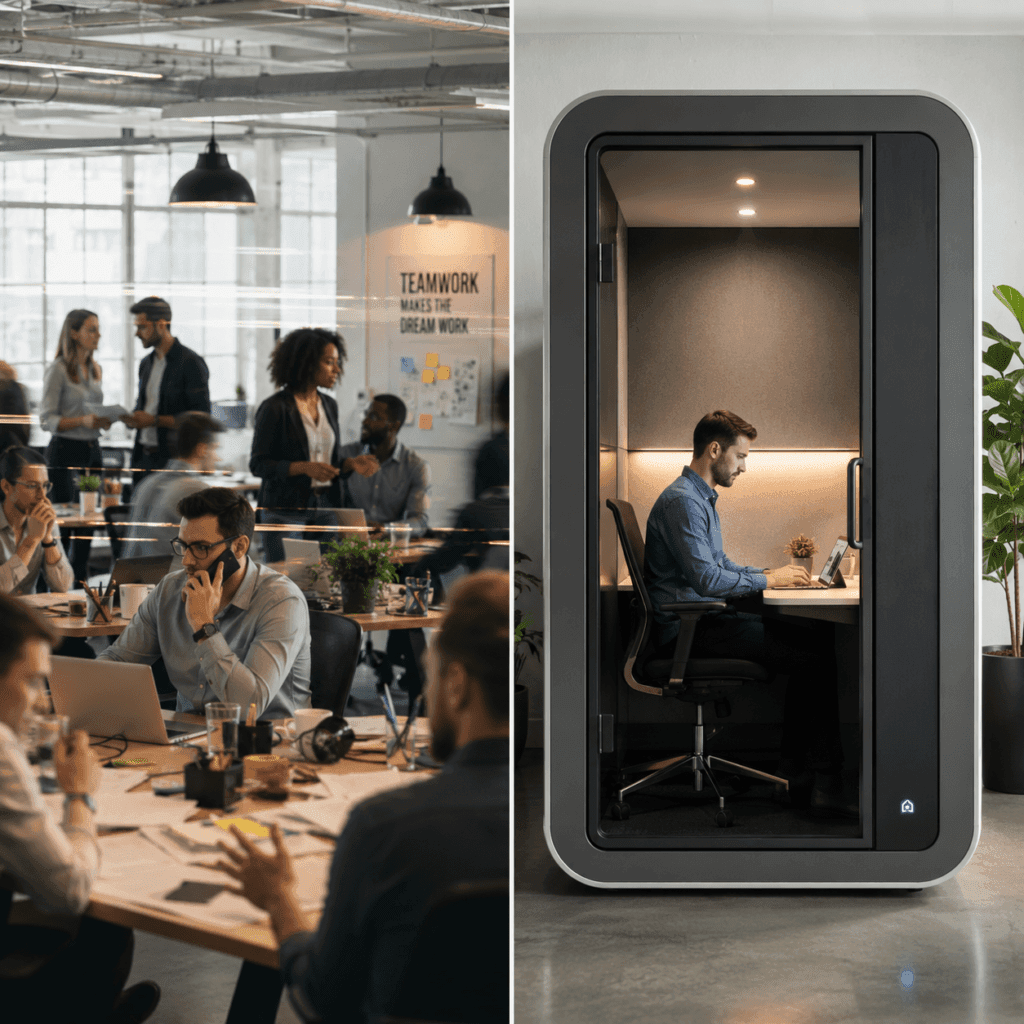
Before vs After Installing Workspace Pods: How It Transforms Your Office If you’ve ever tried to focus in an open-office setup, you already know the struggle. The team next to you is having a loud discussion, someone two desks away is on a client call, the printer is buzzing, someone’s laughing at a meme, and your concentration keeps breaking every few minutes. By the time you get back into flow, another interruption hits. This is exactly the problem that workspace pods are designed to solve and it’s why they’re rapidly gaining popularity across offices, startups, and even homes in India. In this post, we’ll walk through what a typical office looks like before a workspace pod is installed, what changes once one is in place, why the shift matters more than it might seem at first glance, and how different kinds of workplaces are using this simple upgrade to solve very real, very costly problems. Before: A Typical Open-Office Scene Open-plan offices became popular for good reasons they’re cost-efficient, they encourage collaboration, and they look great in photos. But most Indian offices following this layout eventually run into the same set of problems: 1. Constant, Unfiltered Noise In an open floor plan, sound travels freely. Calls, meetings, side conversations, keyboard clatter, and general office chatter all blend into a single wall of noise. There’s no natural buffer. Even with good intentions, teams can’t fully control how much sound bleeds from one workstation to the next. 2. Zero Privacy for Sensitive Conversations Confidential client calls, HR conversations, performance reviews, or anything requiring discretion becomes awkward in an open space. Employees often end up taking calls in stairwells, parking lots, or empty conference rooms none of which are ideal, and none of which project a professional image to clients on the other end of the line. 3. Broken Focus and Deep Work Cognitive science is fairly clear on this: every interruption costs far more than the interruption itself. It takes time to re-enter a state of focus after being pulled out of it. In noisy open offices, this happens dozens of times a day, quietly draining hours of productive work without anyone quite noticing where the time went. 4. Rigid, Expensive Infrastructure Traditionally, if a company wanted to add private cabins, meeting rooms, or quiet zones, the only option was construction knocking down walls, building new ones, running new electrical lines, and dealing with weeks of dust, contractors, and disrupted operations. This is slow, expensive, and nearly impossible to reverse if the layout needs to change again later (which, in growing companies, it usually does). 5. The Human Cost All of this adds up to something less tangible but very real: stress. Constant background noise increases cognitive load, even if you’re not consciously aware of it. Over time, this contributes to fatigue, lower job satisfaction, and higher turnover problems that show up on HR dashboards long after they’ve already been quietly affecting the team. This is the “before” picture that most workplaces are dealing with, whether they’ve explicitly diagnosed it or not. After Installation: A New Workspace Experience Once a workspace pod is installed, the picture changes often faster and more dramatically than people expect. Here’s what shifts. 1. Acoustic Privacy, On Demand Workspace pods are built with high-density acoustic panels specifically designed to block and absorb sound. Step inside, close the door, and the ambient office noise drops away almost immediately. This creates a private, quiet zone that’s available whenever someone needs it for a focused work session, a confidential call, or simply a few minutes of quiet to think clearly. 2. Comfort Built In, Not Bolted On Unlike a hastily built cabin, modern pods are engineered as complete micro-environments. They typically include: Integrated lighting so the space feels comfortable rather than closed-off Proper ventilation so the pod doesn’t feel stuffy, even during longer sessions Ergonomic seating and desk arrangements suited to focused work or calls Power outlets built directly into the pod, so there’s no scrambling for extension cords The result is a space that feels intentional and professional not like an afterthought. 3. Flexibility That Matches Real Needs One of the most underrated benefits of workspace pods is how modular they are. They come in a range of sizes and configurations: Compact, single-person pods for quick calls, short focused sessions, or solo deep work Slightly larger single-occupancy units for longer calls, video meetings, or extended work sessions Multi-person meeting pods, typically fitting up to four people, for small team discussions or client meetings Because these are modular units rather than permanent construction, they can be added, removed, or rearranged as a company’s needs evolve something that’s simply not possible with traditional cabins and walls. 4. Fast, Non-Disruptive Installation This is where workspace pods really separate themselves from traditional office renovation. Instead of weeks of construction, dust, and disrupted operations, most pod installations follow a clean, engineered process: A pre-installation site survey checks floor space, ceiling height, and confirms the pod’s footprint fits the available zone Power socket locations are identified and a cable routing plan is finalized in advance Freight elevator dimensions are checked to ensure flat-pack panels can be transported to the installation floor without issue Because of this planning, actual on-site installation is remarkably quick single-person pods generally install in 4 to 6 hours, while 4-person meeting pods take around 6 to 10 hours. Compare that to the weeks required for construction-based alternatives, and it’s easy to see why more companies are choosing pods over permanent renovations. 5. Measurable, Not Just Anecdotal, Impact The benefits of workspace pods aren’t just theoretical. Companies that have made the switch report concrete improvements: Fewer interruptions during the workday Noticeably higher employee satisfaction Productivity gains that show up in output, not just in survey responses A workspace that better reflects the company’s culture and identity, since pods can be styled and arranged to fit the existing office design For example, one digital marketing agency that installed a mix of individual
Before vs After Installing Workspace Pods: How It Transforms Your Office Read More »